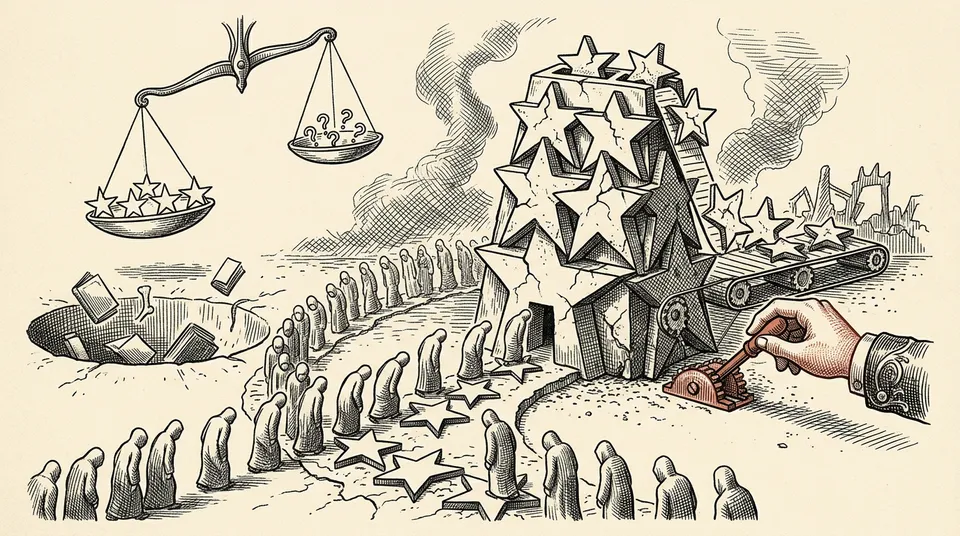
The tyranny of the five-star shrug
Online star ratings were supposed to make taste democratic. Instead, they turned judgment into a reflex. The star is the smallest possible opinion that still feels public, which is why it has conquered everything from taxis to toothbrushes. It asks almost nothing of us: no sentence, no context, no risk of being misunderstood. A five-star rating often means “fine,” not “wonderful”; a one-star rating can mean “the box arrived dented,” not “this object is evil.” So we have built a giant machine for laundering nuance into averages.
What fascinates me is not that people are lazy, but that they are so eager to outsource hesitation. The rating is a tiny moral alibi: I have judged, therefore I have participated. But the world is not a scoreboard. Some things deserve essays, some deserve silence, and some deserve the rare dignity of refusing to be flattened into glittering little moons.